Extended periods of rain tend to expose how hard building materials are working, particularly around joints, transitions, and window interfaces. While most systems are designed to cope with weather, sealants and mastics still experience gradual ageing as they absorb movement, UV exposure, and moisture over time.
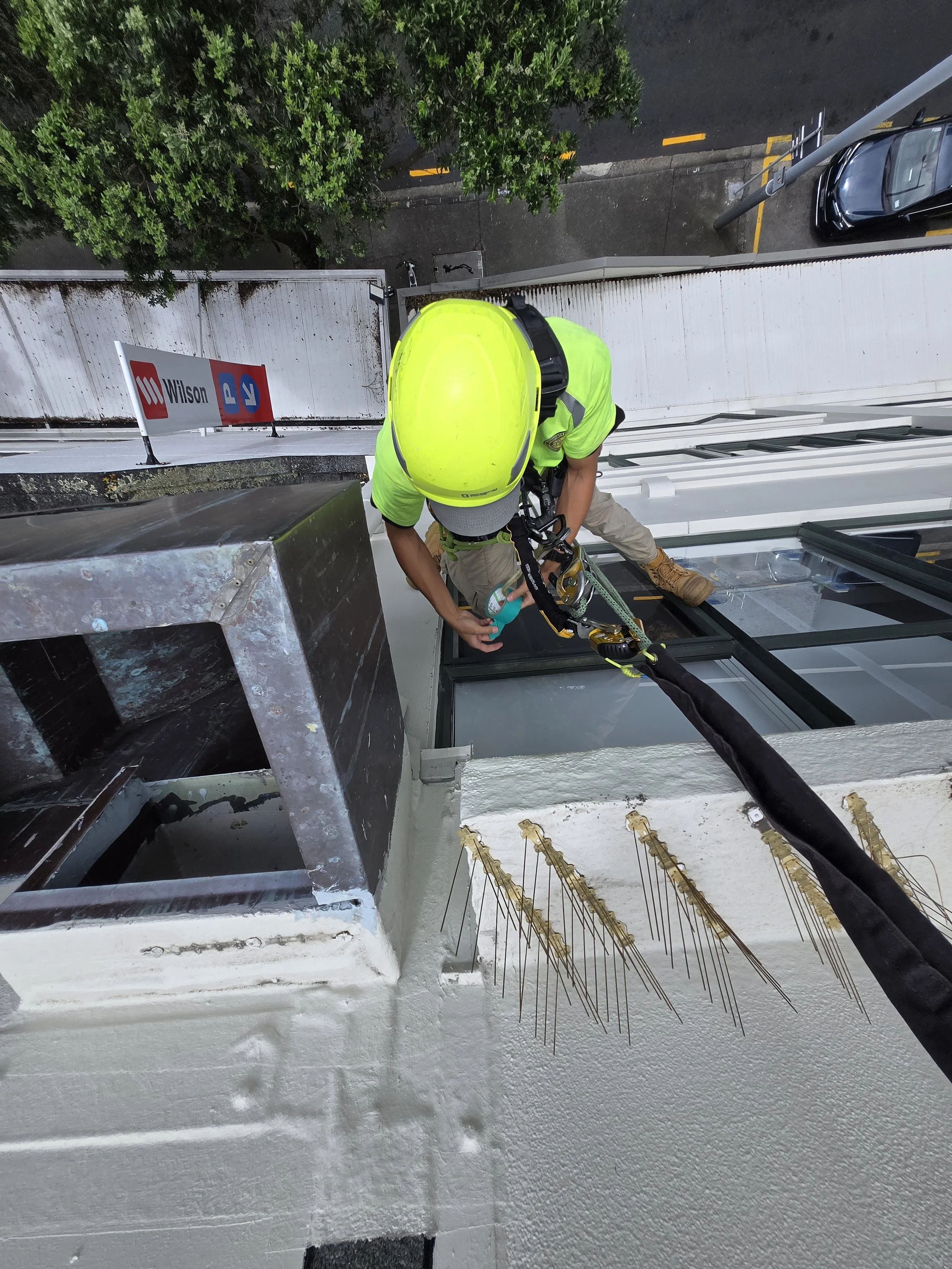
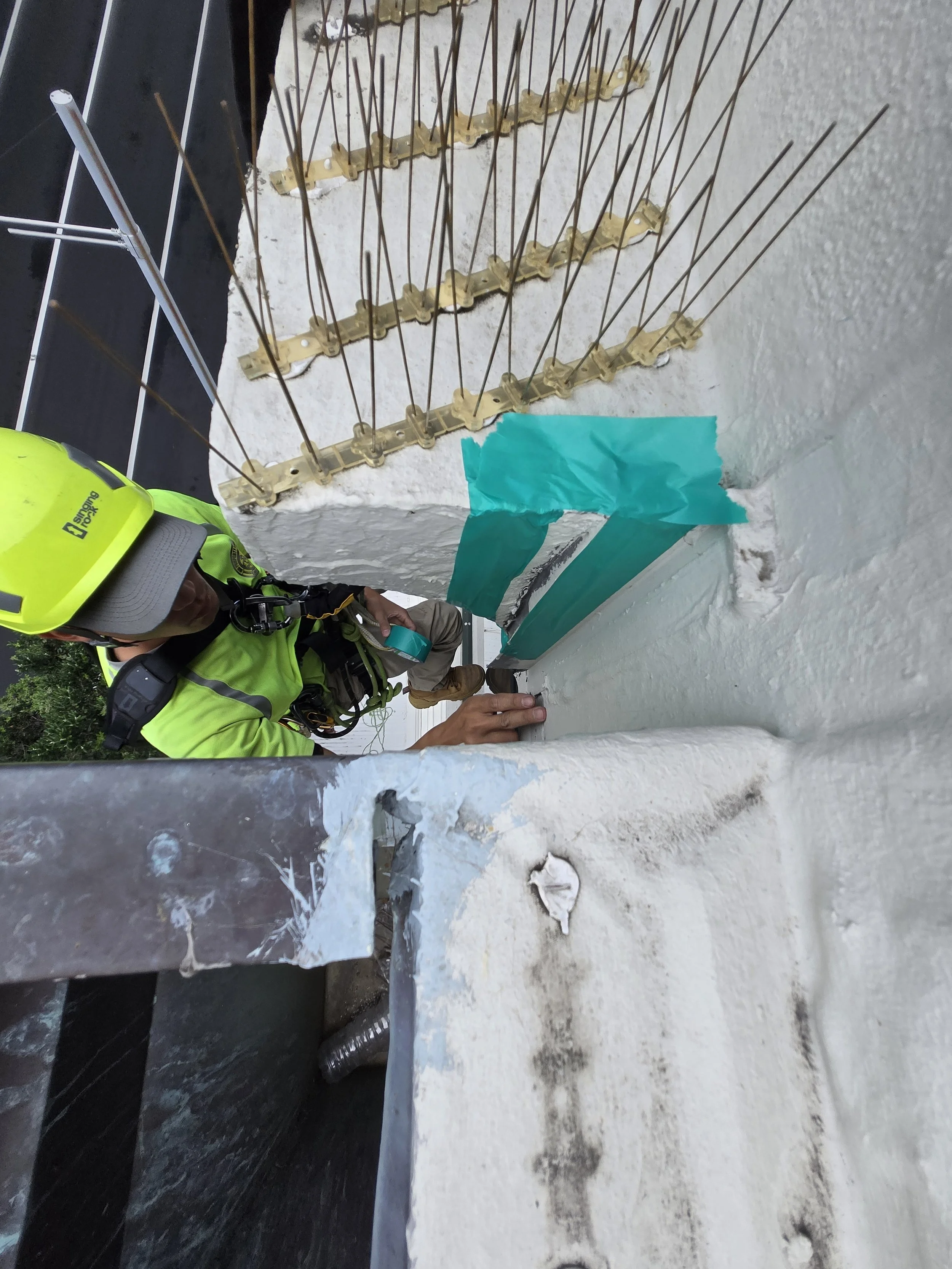
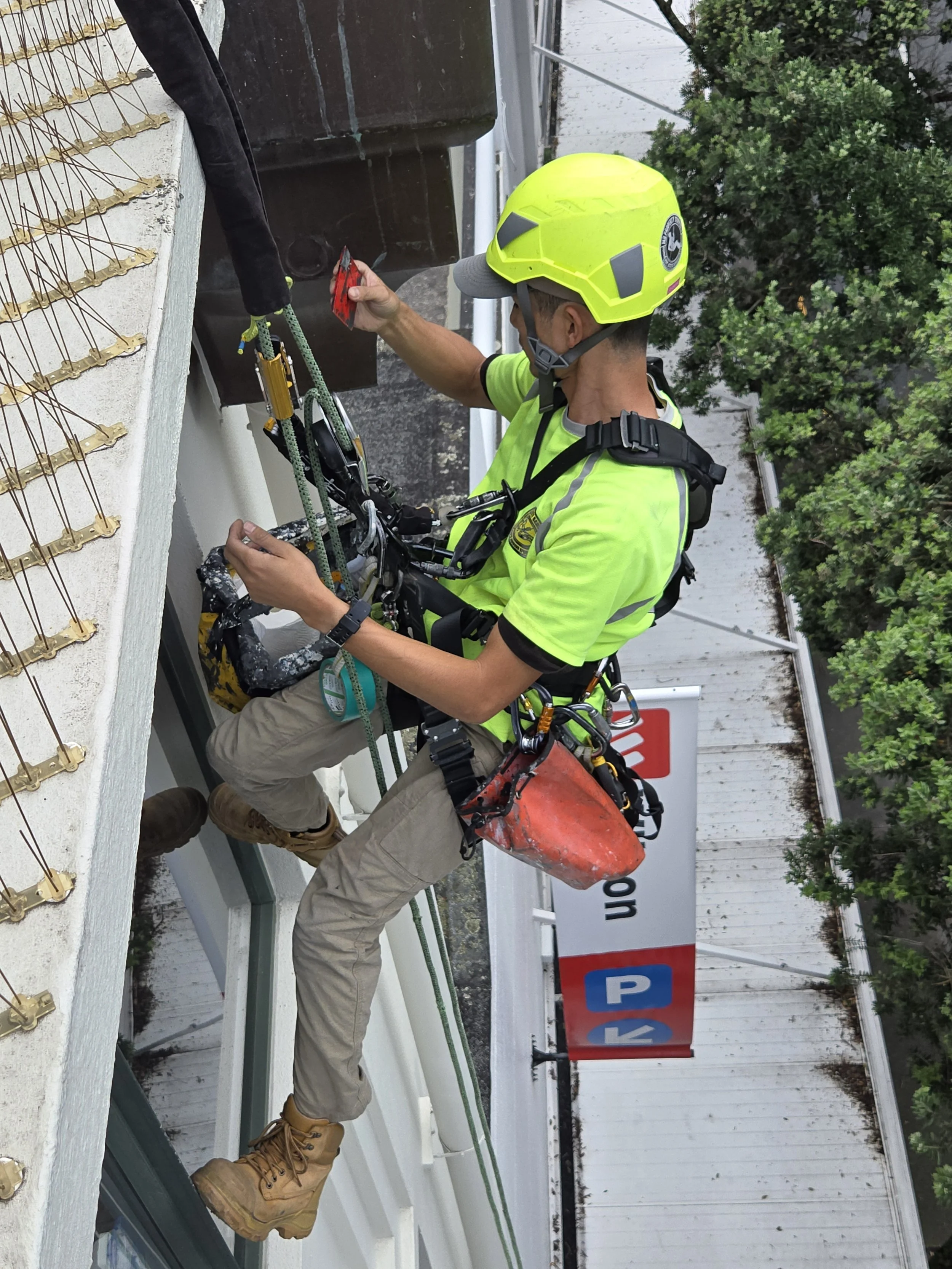
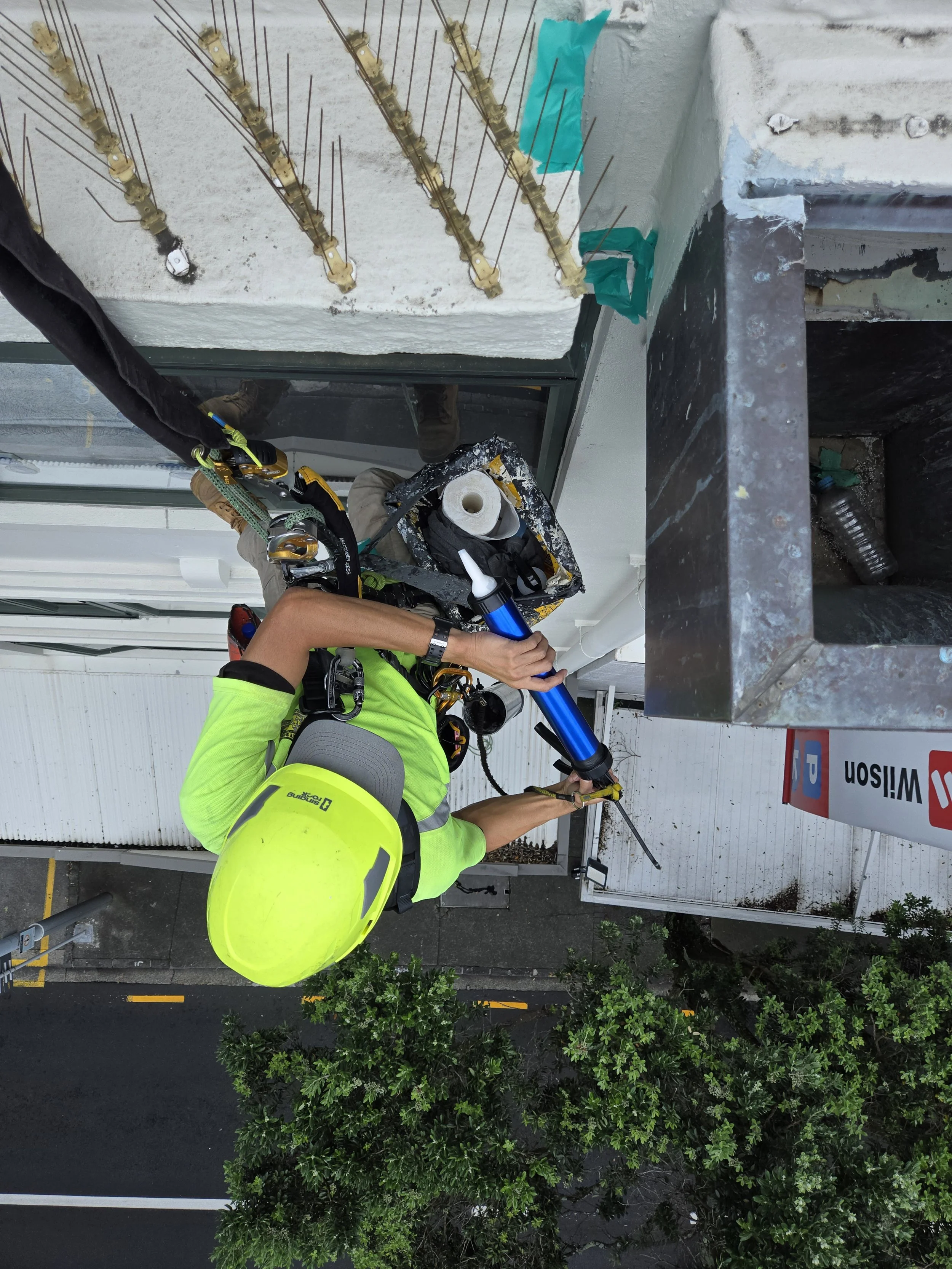
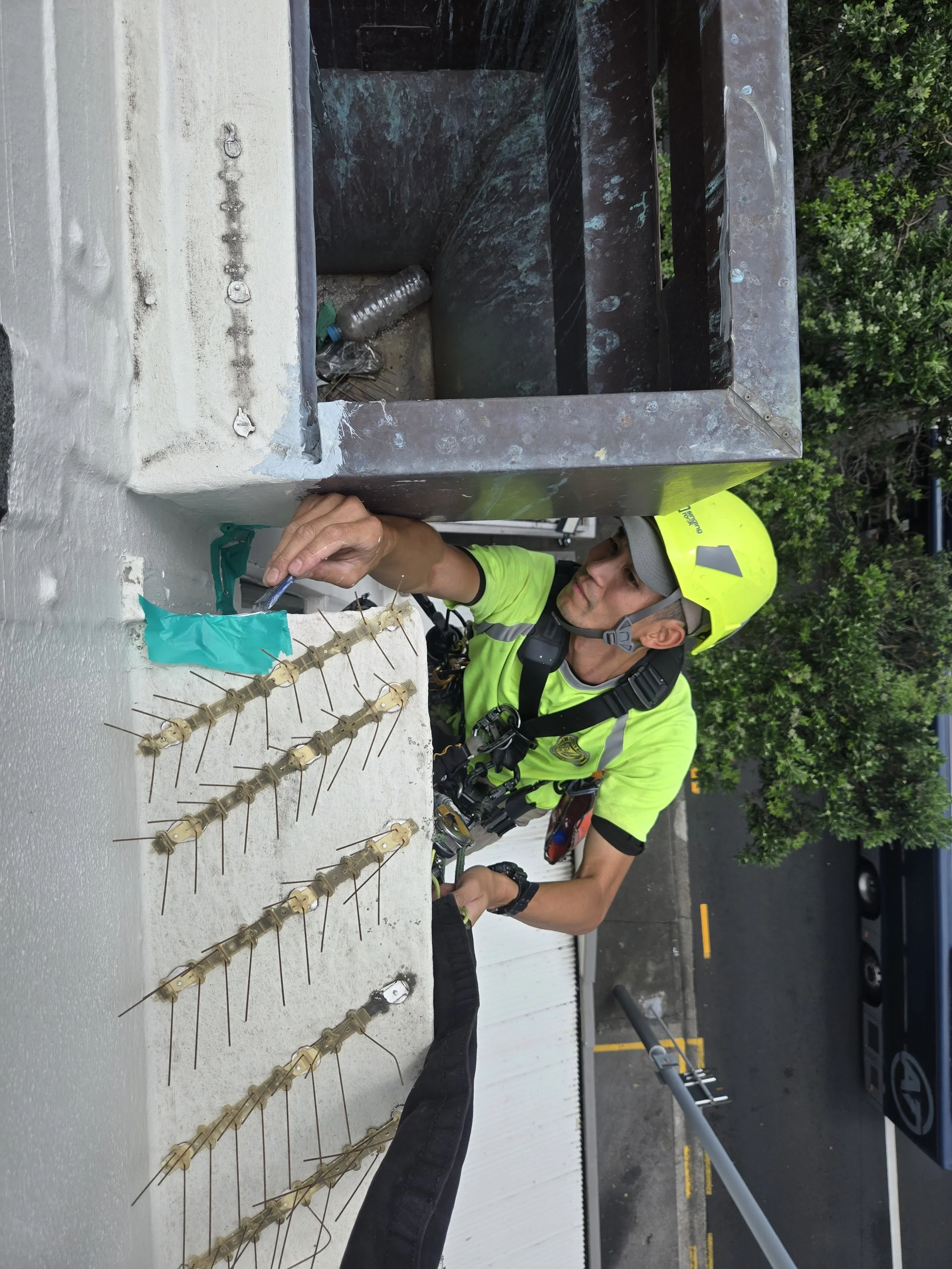
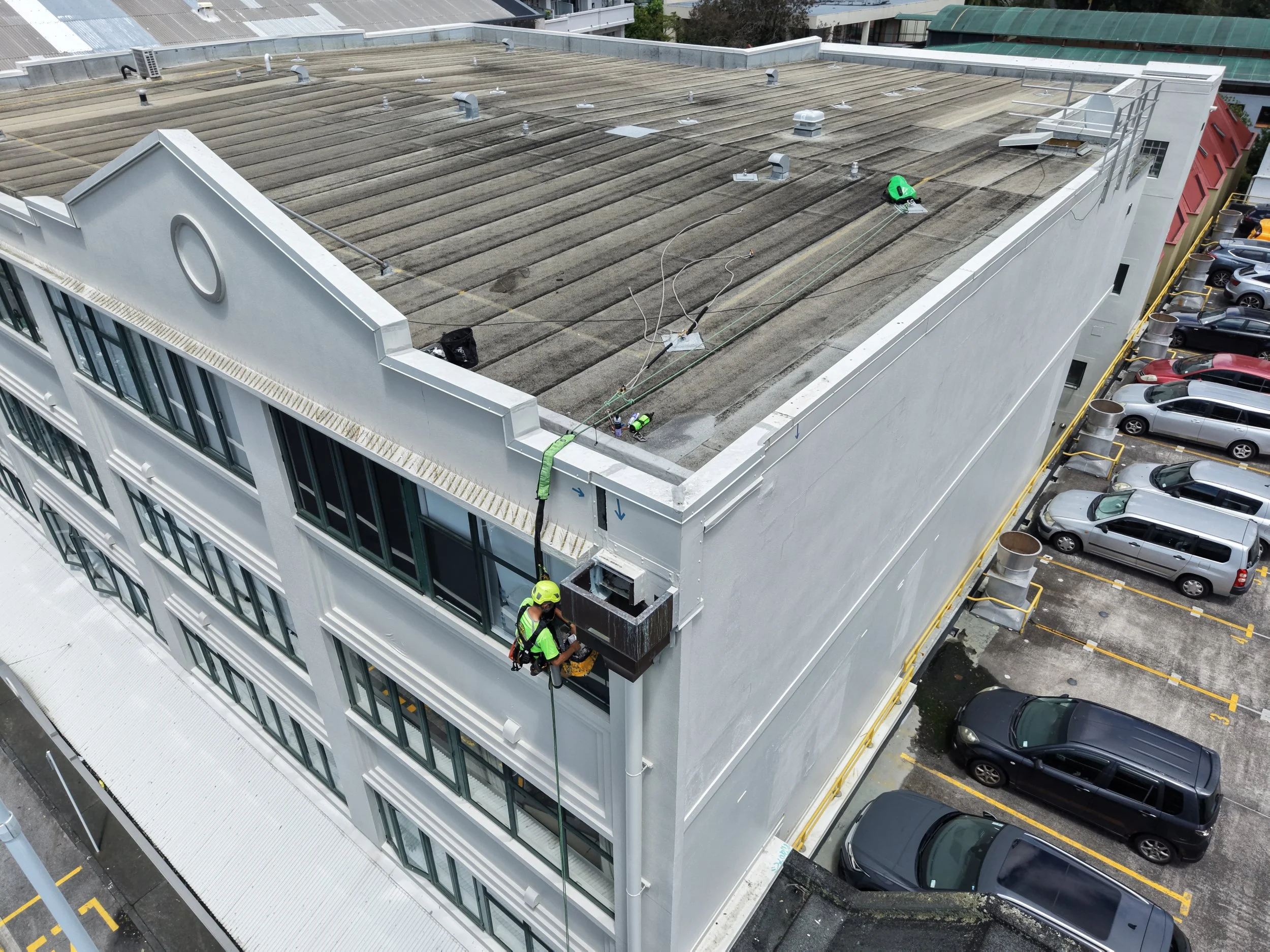
Following heavy rain across Auckland, our team is often engaged to carry out routine facade inspections and targeted sealing work as part of planned maintenance programmes. This involves checking movement joints, window perimeters, panel junctions, and other exposed interfaces where flexibility is critical. Rope access is used where required to reach specific elevations efficiently, allowing inspections and minor sealing tasks to be completed without large scale access systems.
Effective maintenance relies on careful access planning before work begins. Anchor layouts, rope paths, task sequencing, and tool management are all reviewed so technicians can move methodically across the facade. Tool control remains in place throughout, and areas below are actively managed to keep pedestrian movement and building access operating as normal. This allows inspections to be carried out thoroughly, rather than rushed or limited by access constraints.
Sealant systems are designed for long service life, but they are not permanent. As materials stiffen or lose elasticity, edges can begin to lift or small gaps can form, particularly where building movement is more frequent. Buildings that have not been inspected for long periods may not show obvious signs from ground level, even though exposed areas higher up are starting to age. Routine inspection allows resealing to be carried out early, while the work remains straightforward and contained.
Knowing how a building behaves over time is part of effective maintenance planning. Different elevations experience different sun exposure, wind loading, and moisture retention. When the same areas are revisited periodically, changes are easier to track and maintenance can be programmed rather than reactive. This supports both appearance and weather performance across the full facade.
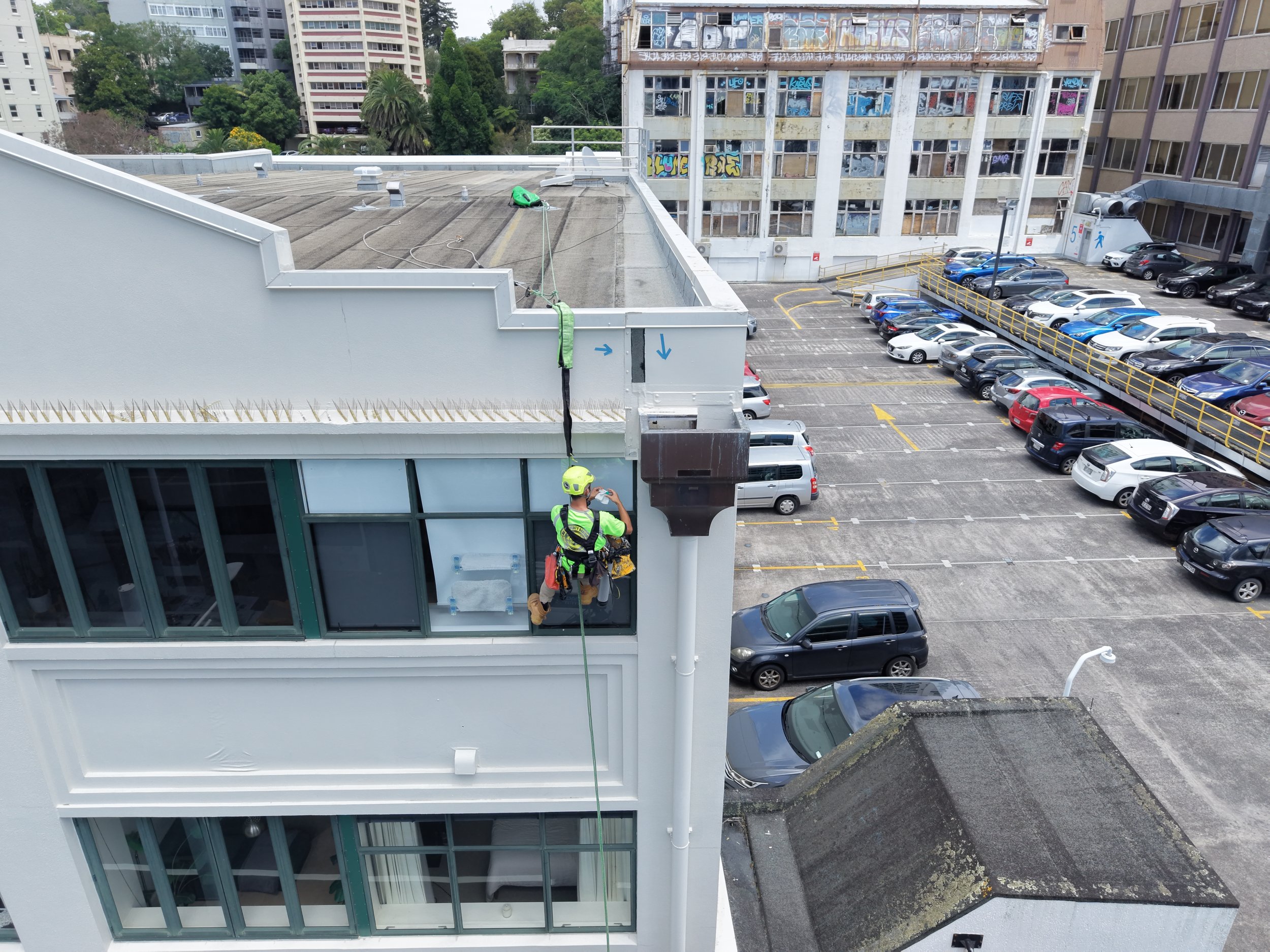
Rope access provides targeted reach to specific locations without the disruption that comes with larger access systems. Setup is efficient, work zones are controlled, and occupied buildings can continue operating while inspections and sealing are completed. This approach suits regular maintenance cycles where consistency and minimal interruption are priorities.
Building upkeep is most effective when it is based on observation, familiarity, and planning. Regular inspections, early intervention, and accurate records help extend the service life of facade systems and avoid larger scopes later on. After periods of heavy weather, it is worth considering when your building was last inspected and whether small details are being reviewed as part of an ongoing maintenance strategy.